Eight Ways to Grind — Only One of Them Fits Your Material
Fineness target, viscosity, metal-contamination limit and batch size decide the configuration. Below is how we choose between them, and what each one costs you in throughput.
Every configuration we supply
Series names are ours; the selection logic is what matters.
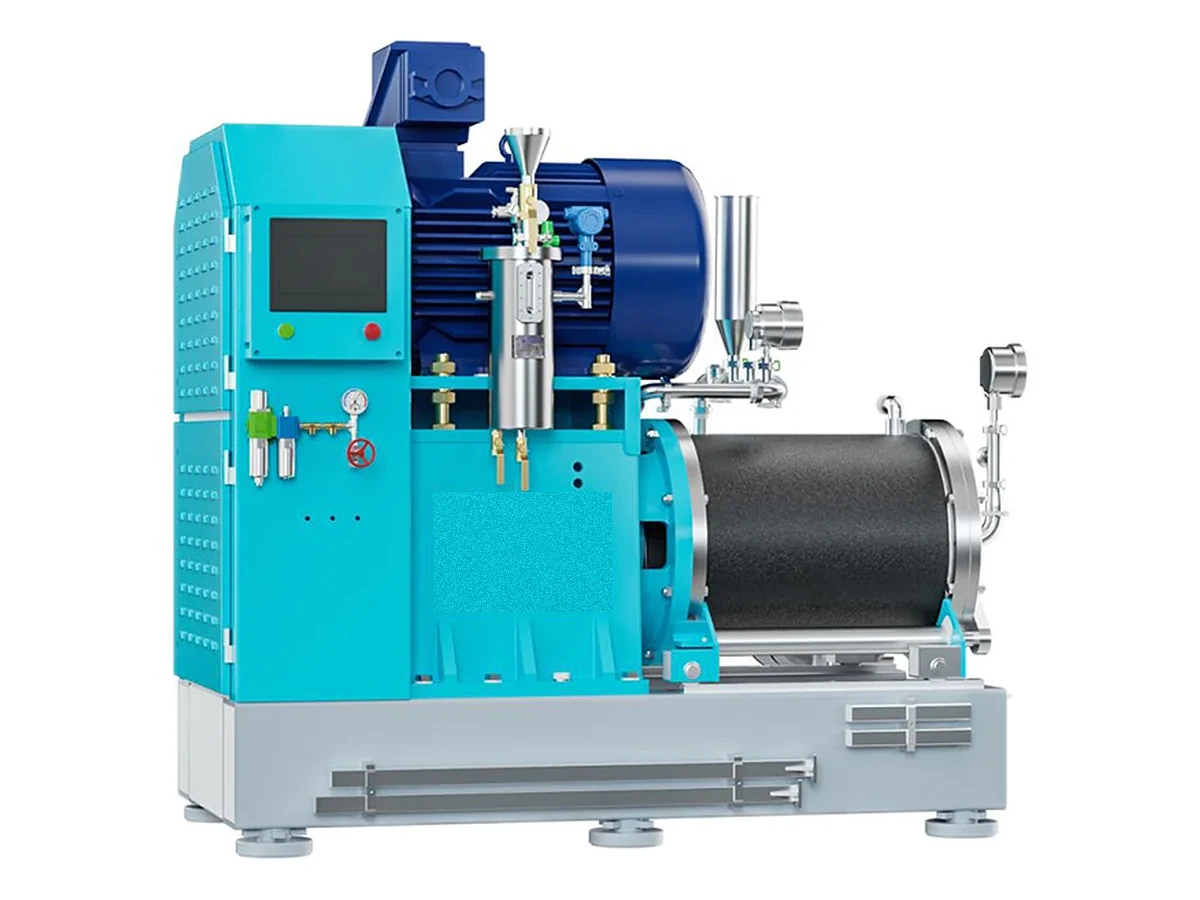
Nano Bead Mill Most requested
Small media, gap or centrifugal separation, aggressive chamber cooling.
Choose it when: Worth it only if your application genuinely needs sub-100 nm.
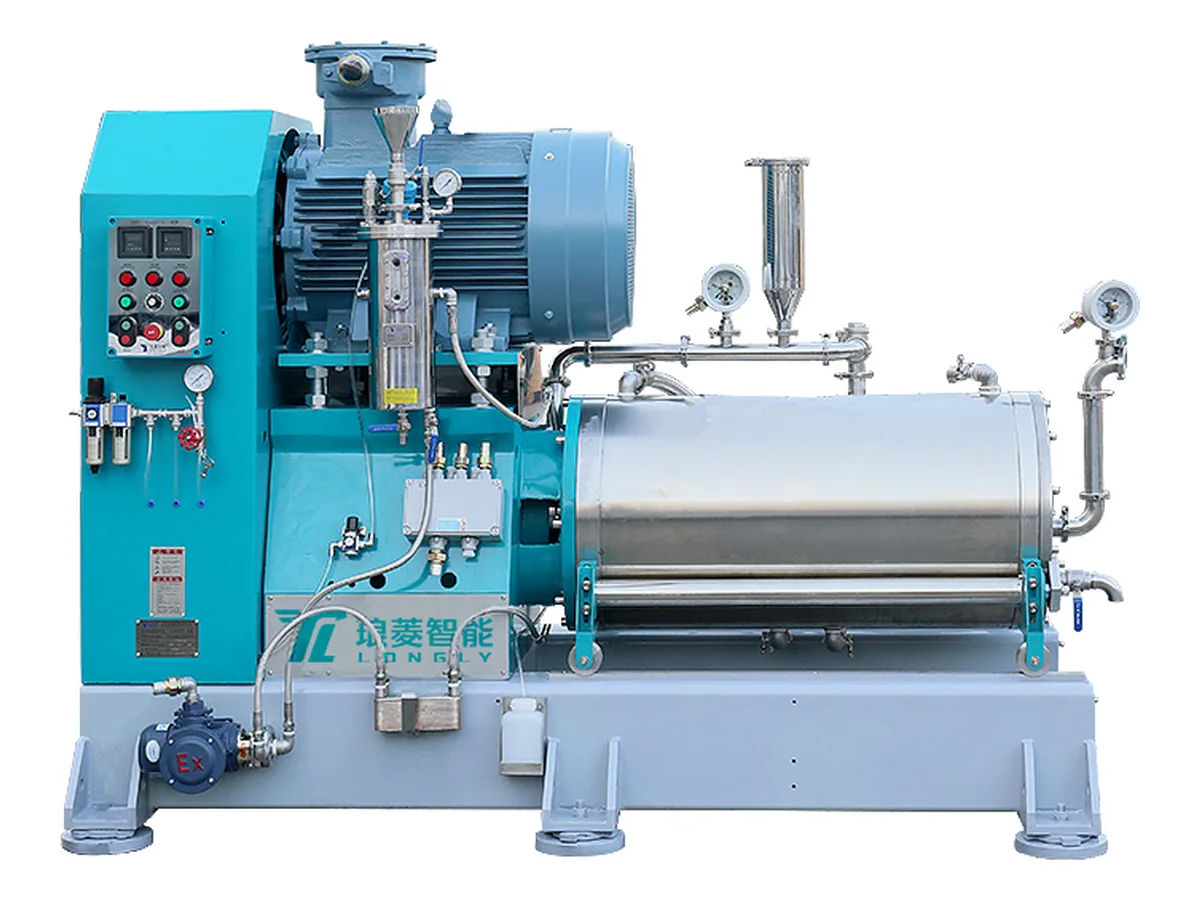
Micron / Sub-micron Bead Mill
The production workhorse for coatings, inks and general sub-micron work.
Choose it when: Disc type for general work; pin type when you need more energy per pass.
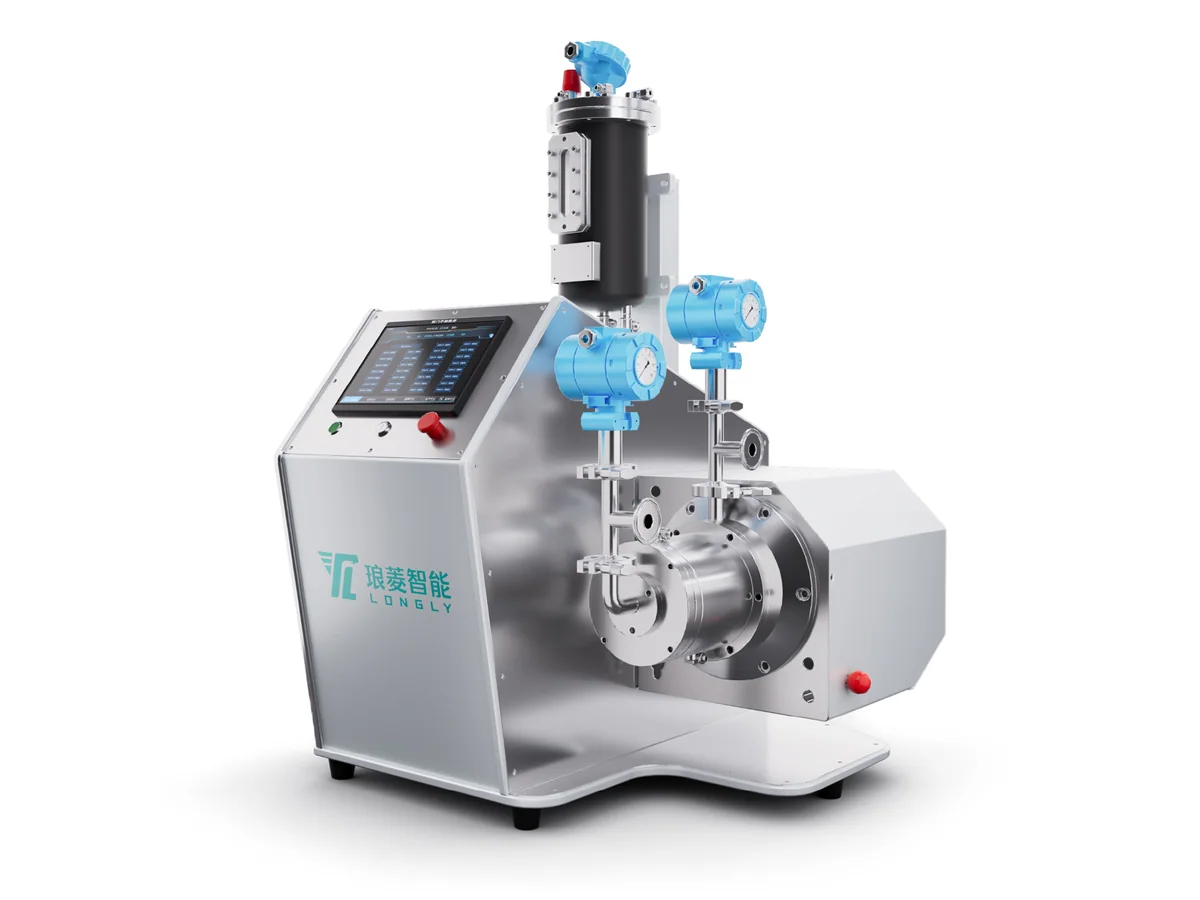
Lab & Pilot Mill Most requested
Same media and tip speed as the production machine, so results scale.
Choose it when: Start here if you need to prove a target before buying capacity.
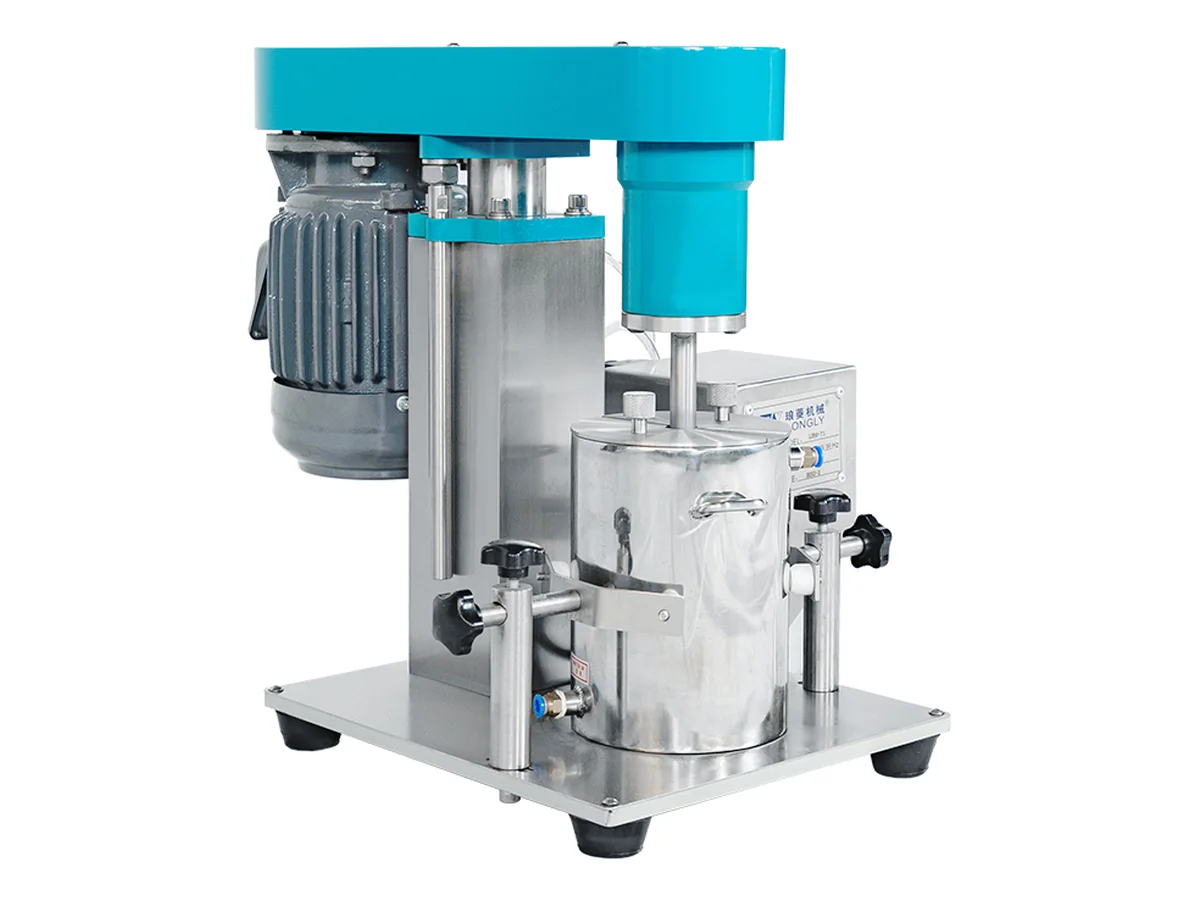
Basket Mill
Single-vessel dispersion — no external pump or recirculation loop.
Choose it when: Best for many formulations in small batches, or when cleaning time dominates.
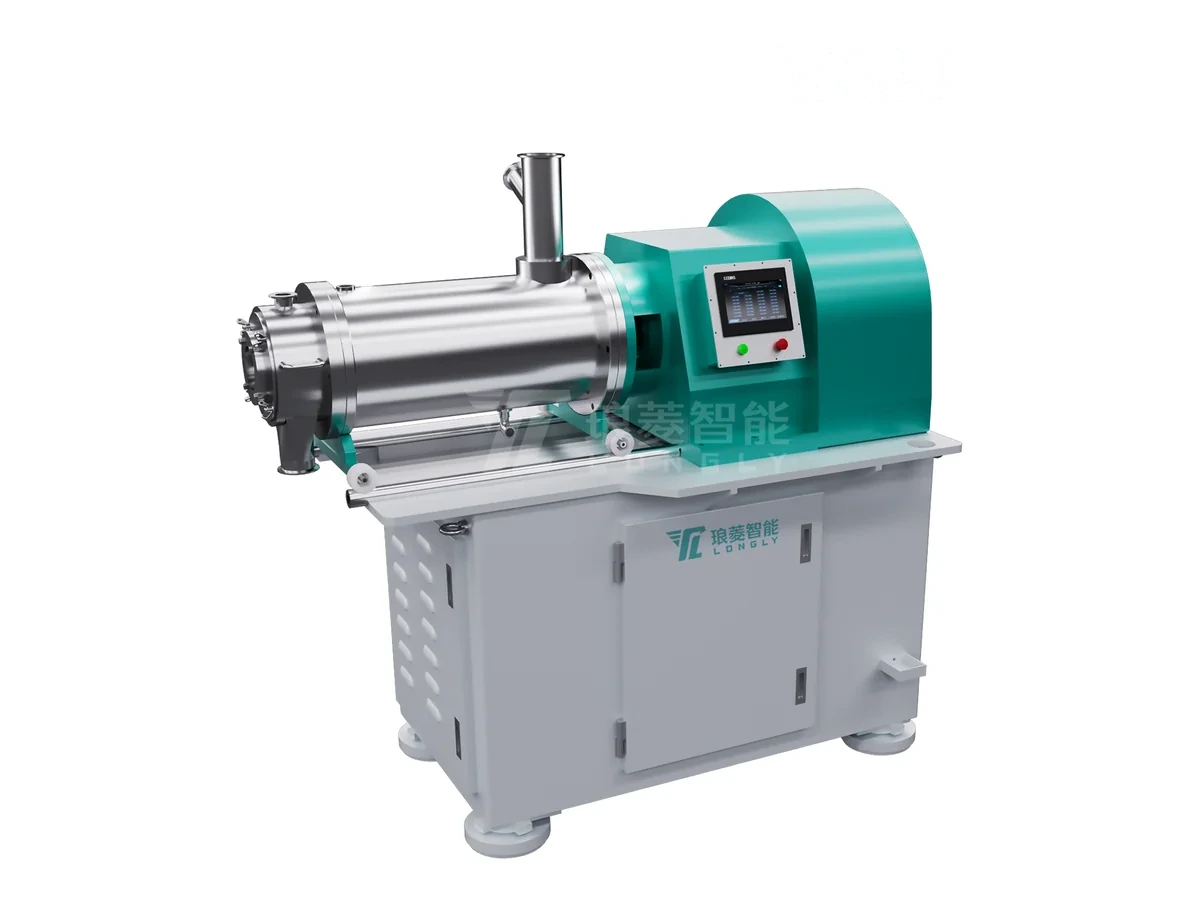
Dry Grinding Mill
Dry micronisation with air classification and dust collection.
Choose it when: For powders that cannot be processed wet — no drying step downstream.
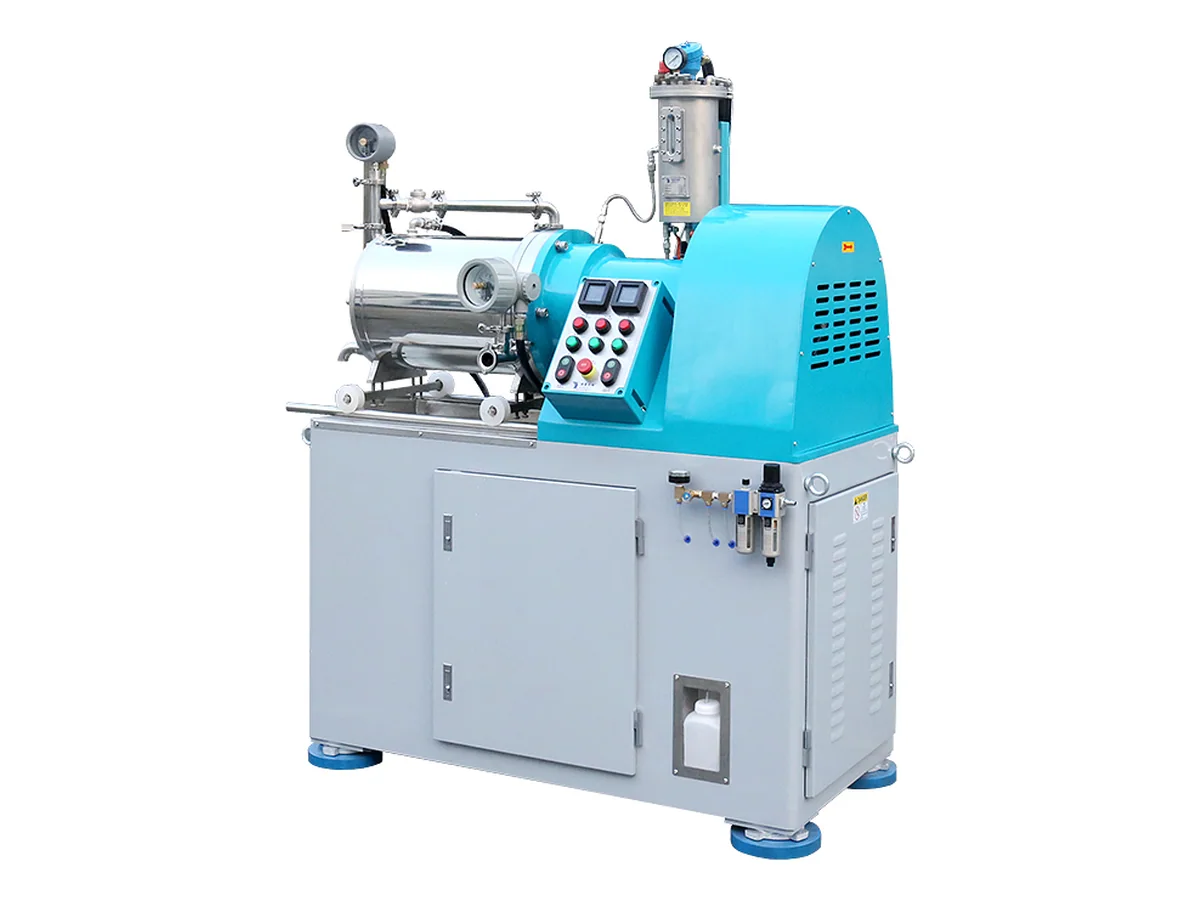
High-Viscosity Mill
Built for high-solid and high-viscosity material, with screw discharge.
Choose it when: For pastes and highly loaded compounds a standard mill will not move.
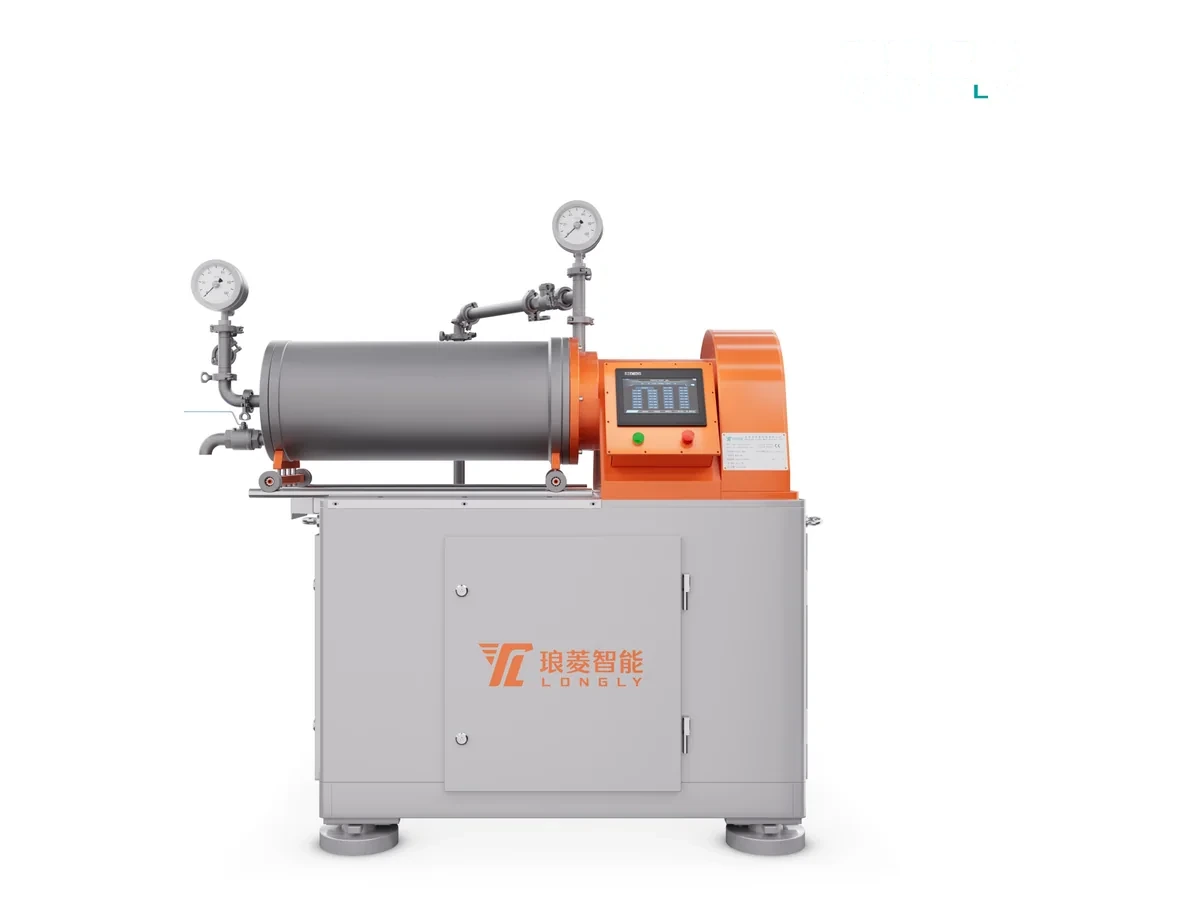
Mining & Large-Scale Mill
Stirred media mills sized for mineral slurry at plant throughput.
Choose it when: Selected on throughput and media consumption, not on fineness alone.
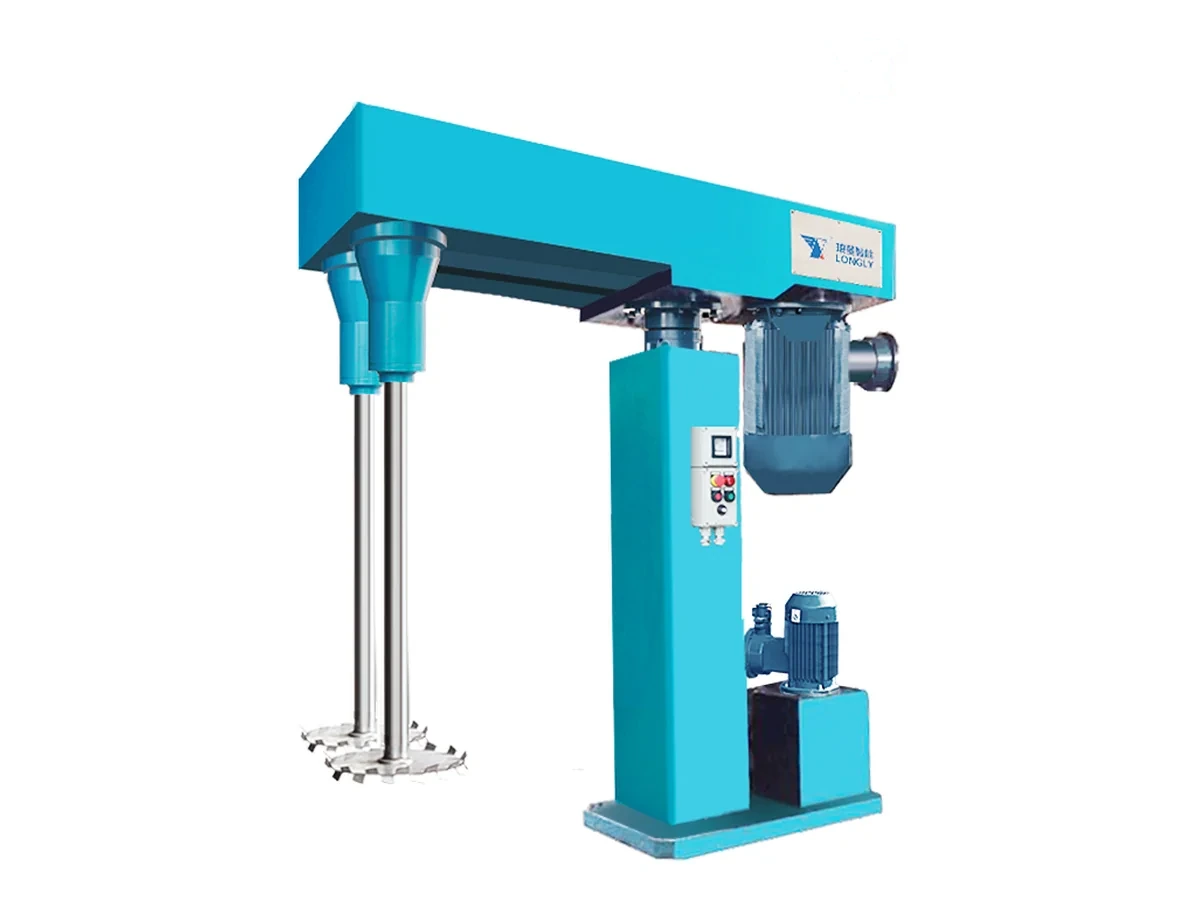
Complementary Equipment
Three-roll mills, inline pre-dispersion, mixers and spray dryers.
Choose it when: Often the cheapest throughput gain is better pre-dispersion, not a bigger mill.
How we choose between them
Three questions, in this order:
- What fineness do you actually need? Below roughly 1 µm the separator and media size change, not just the motor. Below 100 nm, almost everything changes.
- What is the viscosity and solids loading? A standard chamber will not move a heavy paste — that is a different machine, not a bigger motor.
- How many formulations run through it? Many small batches favour a basket mill; one product at high volume favours a continuous horizontal mill.
The most common mistake we see: specifying for the finest target anyone has ever mentioned, then paying for that in throughput and media life every single day.
Where each series sits
| Series | Target range | Typical throughput | The trade-off |
|---|---|---|---|
| PM-N nano | D90 < 100 nm | 2 – 800 L/h | Highest energy cost, lowest throughput |
| PM-M micron | D90 1 – 15 µm | 100 – 2000 L/h | Balanced — the default for most plants |
| PM-L lab / pilot | Any, at small scale | 0.5 – 10 L | Exists to de-risk scale-up, not to produce |
| PM-B basket | Batch | 50 – 2000 L per batch | No pump or loop; slower per litre |
| PM-D dry | Dry powder | Plant-specific | No drying step downstream |
| PM-V high-viscosity | Paste, high solids | 10 – 500 L/h | Narrow application, robust build |
| PM-X mining | Coarse to fine | Very high | Selected on media consumption, not fineness |
| PM-A auxiliary | — | — | Often the cheapest throughput gain |
Describe your material and we will tell you which of the eight.
Send us the material, target fineness and required throughput. We will recommend a configuration — including telling you when a cheaper one will do.